How to Become a Graphic Designer and Make Money from Design
A practical guide to starting a graphic design career, from core skills and degree options to portfolios, plus ten ways designers earn, from templates and fonts to freelance clients.
In this article
Businesses of every size need visuals, which means there's steady demand for talented graphic designers. Whether you're starting from scratch or already dabble in design, this guide explains what the job involves, the skills you'll need, how to get started and the many ways designers make money today.
What is a graphic designer?
Graphic designers are an integral part of how products and services are produced and marketed. They create visuals for everything from advertisements and business cards to packaging, websites and software.
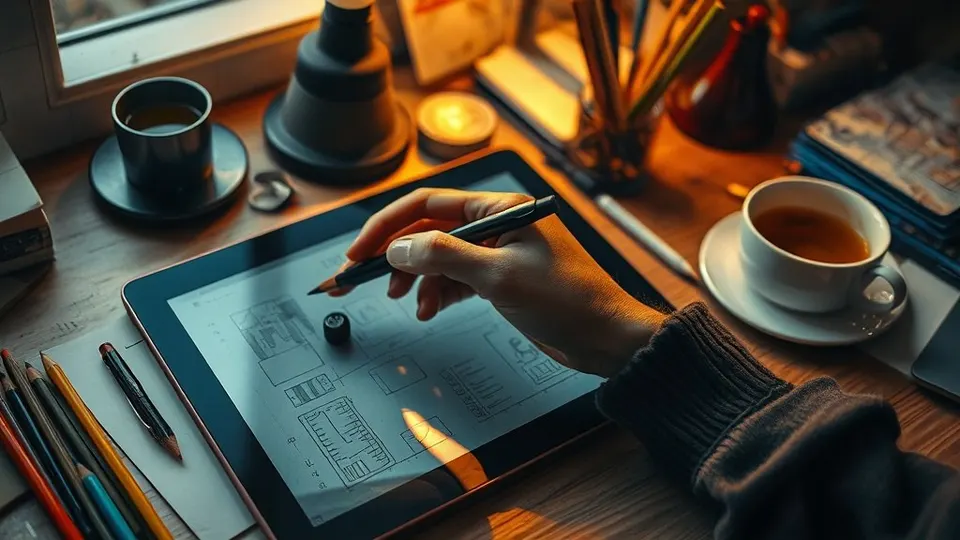
Most designers work with digital tools such as Adobe Photoshop and Illustrator for images and illustration, Adobe InDesign for print and editorial layouts, and tools like Figma for digital and interface design. But software can't read a designer's mind, so many still start with pencil sketches when working on logos or layouts.
What does a graphic designer do?
Day to day, a designer turns a client's goals into visuals that communicate clearly. That means:
- understanding the brief and the audience;
- sketching and developing concepts;
- producing final artwork for print or digital use;
- presenting work and revising it based on feedback;
- delivering files in the right formats for each use.
The job requires good communication and the flexibility to think creatively under time pressure, because clients don't always ask for what the designer expects. It also requires commitment to learning. Tools and trends change constantly, and designers who keep up stay competitive.
Skills you need to become a graphic designer
1. Creative imagination
Designers turn ideas, facts, feelings and messages into images. Being able to visualise a concept, such as expressing optimism or trust through colour, type and imagery, is the heart of the job.
2. Communication skills
You'll need to explain your ideas, understand what clients really want and write clearly, especially when design and copy work together on web pages and marketing campaigns.
3. Working under pressure
Designers often juggle multiple projects and clients with tight deadlines. Staying productive, organised and flexible on larger projects is essential.
4. Plain-English explanations
Clients rarely speak design jargon. The ability to cut through technical language and explain your choices simply builds trust.
5. Time management
Meeting deadlines is critical in design, particularly for freelancers who manage their own schedules and several clients at once.
6. Tailoring a message to an audience
Good design starts with knowing the client's customers, their likes and dislikes, and what competitors are doing. That understanding shapes visuals and messaging that actually resonate.
7. Teamwork
Many designers work alongside copywriters, marketers, developers and other designers. Collaborating well and sharing work smoothly leads to better results and repeat business.
8. Business understanding
Knowing how a client's business works, including its sales cycle and goals, helps you recommend design that serves a real purpose rather than just looking good.
9. Budget awareness
Agreeing on scope and budget before you start, and sticking to it, keeps projects profitable and clients happy. Satisfied clients come back and refer others.
10. Seeing the whole brand experience
Designers increasingly help brands look consistent everywhere, from stationery and signage at events to social media and websites. Thinking about every touchpoint makes you more valuable to clients.
Steps to becoming a graphic designer
Start building skills early
If you're still in school and interested in design, take art, design and computer classes. Even classes that seem only loosely related help you build a foundation in drawing, composition and creative tools.
Consider a degree in graphic design
A degree isn't the only route, but it can open doors to well-paid roles and gives you structured training in design principles, typography, layout and software. You'll also learn to produce posters, brochures and other projects on deadline, which is great practice for real-world work.
Complete internships
Internships at design studios, agencies and in-house marketing teams teach you how professional designers work, from interpreting briefs to communicating with editorial, marketing and media teams. They also give you real projects for your portfolio and valuable contacts.
Create a compelling portfolio
Your portfolio is your most important asset, whether you want a job at an agency or freelance clients. Show your best work, explain the problem each project solved, and make your portfolio site easy to navigate. A site full of images with no context leaves visitors guessing; a short description of each project helps them understand what you can do. You can include personal and practice projects if you haven't yet worked with many clients.
Degree options for graphic designers
- Associate degree. Typically a two-year programme, offered at community colleges, online or on campus, covering design basics alongside general studies. It can lead to entry-level roles.
- Bachelor's degree. A four-year degree with a concentration in graphic design, available at traditional universities and through flexible part-time or online programmes. This is the most common qualification for design jobs.
- Master's degree. An advanced degree for those who want to deepen their expertise, teach, or move into senior and leadership roles. Graduate programmes often explore how design connects with technology, photography, film and other media.
How much does a graphic designer make?
Pay varies widely depending on location, experience, specialism and whether you're employed or freelance. Designers who specialise in high-demand areas such as user interface, branding or motion design, or who build a strong freelance client base, can earn significantly more than the average. For current salary data in your country, check official labour statistics and up-to-date salary surveys.
10 ways to make money as a graphic designer
1. Create and sell templates
Design professional templates that are easy for others to use, such as presentation decks, social media posts, resumes, invitations and website themes. Build collections around themes such as weddings, seasonal events or small business branding, and sell them individually or as bundles on marketplaces or your own website. Keep them simple and functional; templates that need complicated plugins or technical know-how frustrate buyers.
2. Teach workshops
Share your knowledge by running workshops, classes or talks. Teaching builds your reputation, leads to mentoring and networking opportunities, and can be a solid income stream in its own right. Speaking at conferences and events also adds to your credentials.
3. Sell stickers
Stickers are a fun, low-cost product to design and sell. You can sell sticker sheets featuring your illustrations through print-on-demand services or your own shop, or offer custom sticker designs to businesses that want branded merchandise. They're also a great way to get your artwork in front of more people.
4. Become a design consultant
If you understand what businesses in a particular industry need, you can advise them on their visual identity and design strategy. Consulting positions you as a specialist and can lead to bigger projects, such as complete rebrands.
5. Design and sell fonts
If you love typography, designing fonts can be rewarding. Marketplaces such as Creative Market let you sell typefaces to designers and businesses, and a good font can keep selling for years. You can also offer bundles or licences for commercial use.
6. Sell pre-made logo packages
Create logo designs with a few colour variations and sell them as ready-made packages to small businesses that need a professional look quickly and on a budget. Be clear about what's included, such as file formats, fonts and usage rights, and treat every sale as professionally as client work.
7. Offer custom branding packages
Many small businesses and solo creators want a complete, consistent look but don't know where to start. Bundle a logo with social media banners, profile images, email headers and web elements into branding packages at different price points. They take more work than a single logo but build your reputation and often lead to ongoing work.
8. Create and sell printables
Printables are digital files that buyers download and print at home, such as planners, organisers, worksheets, wall art and invitations. Because they're digital, there's no inventory or shipping. Marketplaces such as Etsy are popular places to sell them. Competition is high, so focus on a niche and on quality.
9. Work with clients as a freelancer
Freelancing can be the most time-consuming way to earn, but also one of the most rewarding. Success depends on understanding clients' expectations, communicating clearly and delivering on time. Expect some rejection at the start. Freelance platforms can help you find early clients, but word-of-mouth referrals and networking usually bring the best long-term work. With time, you can build a roster of regular clients.
10. Design social media graphics
Businesses constantly need fresh, on-brand graphics for Instagram, Facebook, LinkedIn, Pinterest, X and other platforms. Original designs help them stand out from competitors. You can charge per graphic, per campaign or offer a monthly retainer. Many designers start doing this part-time alongside other work.
Final thoughts
Graphic design is a fascinating career that can take you into almost any creative industry, but it isn't easy. It takes real passion for art and design and a willingness to keep learning. The good news is that there are more ways than ever to earn from your skills, from a full-time job to freelance clients and digital products that sell while you sleep. Start building your skills and portfolio today, and choose the path that suits you best.